Recycling and Sustainability for Landscaping Chislehurst
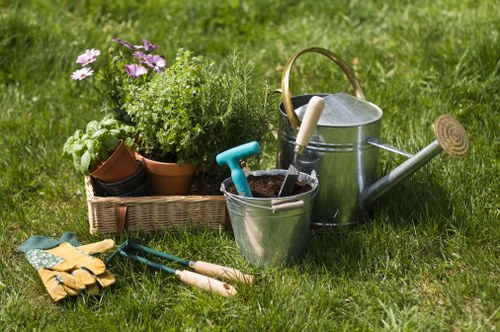 Landscaping Chislehurst is increasingly shaped by greener working methods, with recycling and sustainability now central to how outdoor spaces are created, maintained, and renewed. From garden clearances to soft landscaping projects, the aim is to reduce waste, recover useful materials, and make better use of resources already available. That means choosing smarter disposal routes, reusing materials where possible, and supporting local environmental systems rather than sending unnecessary loads to landfill.
As part of a responsible Chislehurst landscaping approach, a practical recycling percentage target helps keep projects accountable. The goal is to recycle or reuse a high proportion of green waste, timber, soil, stone, and packaging, with 70% to 80% used as a realistic benchmark for many jobs. For larger clearances and site preparation, this can include separating organics for composting, diverting rubble for aggregate recovery, and sorting metal fixings and plastics into appropriate streams. A target like this is not just about numbers; it encourages more thoughtful planning before work begins.
Across the boroughs surrounding Chislehurst, waste separation is increasingly expected to be tidy and consistent, and landscaping teams can support that by working with mixed-material loads in a careful, itemised way. 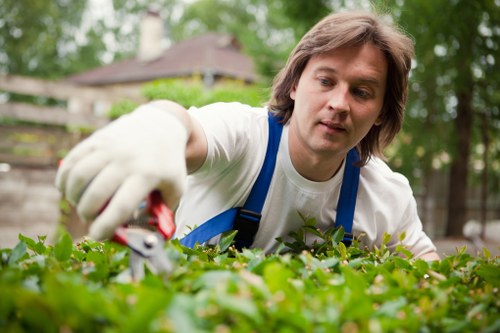 For example, soil can often be kept apart from hardcore, while plant cuttings are handled differently from treated timber. This type of separation supports cleaner recycling outcomes and helps reduce contamination, which is especially important when dealing with the varied materials that come from garden redesigns, path replacements, and boundary works.
Local transfer stations play a valuable role in the sustainability chain for Landscaping Chislehurst. Rather than relying only on distant disposal routes, well-managed transfer stations make it easier to consolidate green waste, soil, and inert materials efficiently before they are sent on for processing. This is particularly useful for jobs that generate different waste types in one visit, such as hedge removals, turf lifting, or driveway-adjacent landscaping. Using nearby facilities also helps reduce transport miles, which supports a lower-carbon way of working from the outset.
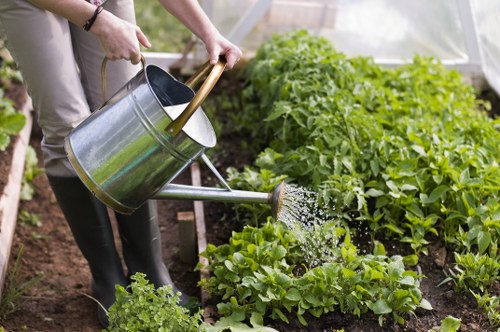 In practical terms, a landscaping team may move waste to a local transfer station where green materials can be assessed for composting, while rubble and hard landscaping offcuts are directed towards recovery or reuse. In and around Landscaping Chislehurst, this can also include collecting clean topsoil for screening, or separating stones and bricks for secondary use in drainage or sub-base applications. These processes keep materials in circulation longer and reflect a modern, circular approach to garden maintenance and outdoor construction.
Partnerships with charities add another important layer to sustainable landscaping Chislehurst. Good-quality planters, surplus paving, reclaimed timber, metal fittings, and even usable garden furniture can often be passed on instead of discarded. Working with local charities and community groups helps direct reusable items into projects that support households, community gardens, educational spaces, and neighbourhood improvement schemes. This approach is especially meaningful where outdoor materials still have value but are no longer needed on site.
Lower-Carbon Operations in Everyday Landscaping
Environmental responsibility is not limited to waste handling. The transport used by a Chislehurst landscaping service also matters, which is why low-carbon vans are becoming a key part of greener operations. Choosing modern, fuel-efficient vehicles or low-emission vans can significantly reduce the footprint associated with moving tools, materials, and collected waste. For local work, this is especially effective because shorter journeys combine well with efficient routing and fewer return trips.
Low-carbon vans are particularly useful for the kinds of regular visits common in landscaping: mowing, pruning, seasonal planting, and smaller repair tasks. Instead of sending multiple vehicles for separate collections, a well-planned schedule can reduce traffic, cut fuel use, and improve efficiency. Combined with careful load planning, this helps make landscaping in Chislehurst more sustainable without compromising service quality or project flexibility.
Another useful sustainability measure is choosing materials with recycled content or long service life. Reclaimed bricks, recycled aggregate, FSC-certified timber, and durable planting products can all contribute to lower environmental impact. In many green projects, the most sustainable option is not the newest one, but the one that lasts longest and can be repaired or reused later. This mindset fits well with the wider environmental ambitions seen across local borough waste strategies, where reducing landfill and improving material recovery remain ongoing priorities.
Recycling Choices That Suit the Area
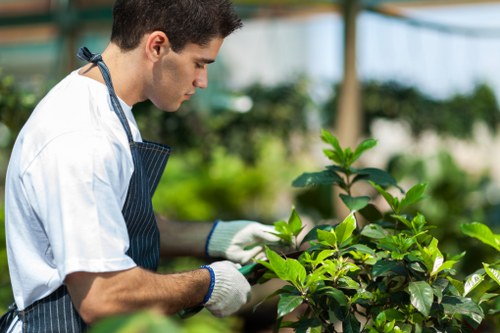 One of the reasons sustainability works well in Landscaping Chislehurst is that the area already sits within a network of borough-level expectations around waste sorting and responsible disposal. Garden waste, soil, and hard materials are often easier to manage when they are separated before collection, and that habit improves recovery rates across the whole project. In day-to-day landscaping, this might mean keeping cuttings free from plastic ties, bundling reusable timber separately, or ensuring that concrete and brick fragments are not mixed with compostable waste.
For property owners, this can be reassuring because the outdoor changes they invest in are being delivered with a cleaner environmental footprint. A recycling-focused Chislehurst landscaping service can support healthier soils, less landfill dependency, and smarter reuse of resources from one project to the next. When teams focus on the full lifecycle of materials, sustainability becomes part of the design and maintenance process rather than an afterthought.
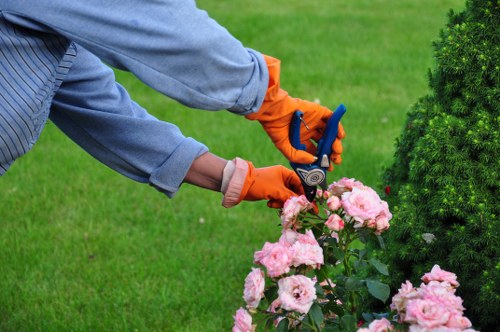 The result is a greener approach that combines recycling discipline, local processing routes, charitable reuse, and low-carbon transport into one practical system. Whether the job involves a single garden clearance or a larger outdoor transformation, Landscaping Chislehurst can contribute to a more circular economy by keeping useful materials in play and reducing unnecessary waste. Over time, these small decisions add up to a more sustainable local environment, one project at a time.