Garden design and build in Chislehurst
If you are looking for garden design and build in Chislehurst, you are probably ready to turn an outdoor space into something that feels practical, attractive, and suited to your home or business. In Chislehurst, gardens often need to do more than look good. They may need to work around mature trees, sloping plots, awkward boundaries, limited access, period features, or busy family life. A well-planned garden can add everyday enjoyment, improve usable space, and make the property feel more complete.
Whether you live near Chislehurst Common, close to High Street, in a detached family home, a Victorian terrace, a modern property, or manage a commercial premises, a tailored approach matters. The best results come from combining thoughtful design, reliable landscaping workmanship, and clear planning from the start. That is where a local team can make all the difference, because local knowledge helps with everything from site access and parking to soil conditions, planting choices, and the style of finish that suits the area.
This service page is here to help you understand what is involved, what you can expect, and why a properly managed design-and-build project is often the most efficient way to create a garden you will actually enjoy using. If you are considering a full transformation or a smaller refresh, contact us today to discuss your ideas and request a free quote for your project.
Why choose garden design and build for your Chislehurst property?

Many people start with a few ideas but are not sure how to bring them together. A design-and-build service bridges that gap by combining the creative side with the practical side. Instead of dealing with separate designers, contractors, and trades, you have one joined-up process that takes your garden from concept through to completion. That can reduce delays, help the project run more smoothly, and make decision-making far easier.
In Chislehurst, this approach is especially useful because outdoor spaces vary so much. Some gardens are long and narrow. Others sit behind older homes with original brickwork and uneven ground. Some have mature planting that needs protecting, while others are blank slates that need structure and interest from scratch. A Chislehurst garden design and build service should be flexible enough to deal with all of these situations while still creating a clear result that suits the property.
Just as importantly, a joined-up service helps you think about how the garden will be used over time. A family garden may need space for play, dining, storage, and easy maintenance. A townhouse garden may need privacy, clever zoning, and a sense of calm. A commercial entrance may need clean lines, durable materials, and planting that stays tidy with minimal upkeep. The right design looks good on paper, but it also works in daily life.
What a local garden design and build service includes

Every project is different, but a full service usually starts with a site visit and a conversation about how you want to use the garden. This is where practical details are discussed, such as sun exposure, drainage issues, access points, boundary concerns, and whether there are existing features worth keeping. In a place like Chislehurst, these early checks are important because they can shape the whole scheme.
A typical service may include concept ideas, layout planning, material selection, planting direction, hard landscaping, and the build itself. Depending on the project, that can cover patios, paths, raised beds, retaining walls, lawns, fences, pergolas, lighting, water features, and garden structures. It can also include clearance, ground preparation, and finishing touches such as edging, mulching, or planting installation.
The benefit of this approach is clarity. You know who is responsible for the design intent and who is carrying out the physical work. That makes it easier to keep the finished garden aligned with the original plan. It also means that when changes are needed during the build, they can usually be handled quickly and sensibly without the confusion that can happen when multiple parties are involved.
Typical stages of the process
- Initial discussion about your goals, style preferences, and budget priorities.
- Site assessment to look at access, levels, drainage, and existing features.
- Concept development, layouts, and material suggestions.
- Detailed planning and agreement on the scope of works.
- Construction, landscaping, planting, and final finishing.
Garden design ideas that suit homes in Chislehurst

Chislehurst properties often benefit from gardens that balance traditional character with modern usability. Many homeowners want a space that feels sympathetic to the house but still easy to live with. That might mean using natural stone, reclaimed-style brick, timber details, soft planting, or a classic lawn framed by borders. For others, it could mean a more contemporary look with crisp paving, clean lines, and subtle lighting.
One of the most effective ways to improve a garden is to create distinct zones. For example, you might want an entertaining area near the house, a quieter seating area further down the plot, and a practical section for storage or bins. This is especially useful on larger gardens or awkward plots where a single open space can feel underused. A thoughtful layout helps every part of the garden earn its place.
Good garden design is not about adding as much as possible. It is about deciding what belongs where, what can be simplified, and how the space can feel more welcoming throughout the year. In Chislehurst, where many homes have mature surroundings and attractive streetscapes, a well-considered garden should feel appropriate to its setting while still reflecting your own taste.
Popular features requested by local customers
- Outdoor dining terraces and patios
- Low-maintenance planting schemes
- Family-friendly lawns and play areas
- Raised beds for structure and seasonal interest
- Seating areas with privacy screening
- Pathways that improve movement through the garden
- Lighting for evening use and added atmosphere
Hard landscaping and soft landscaping in one complete project
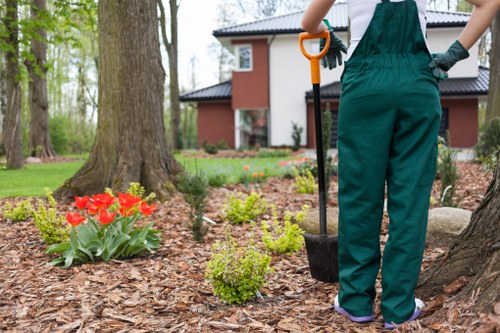
A strong garden makeover usually combines hard landscaping and soft landscaping. Hard landscaping creates the structure: patios, paths, steps, retaining walls, edging, and built features. Soft landscaping brings the garden to life: turf, soil preparation, shrubs, trees, flowers, climbers, and seasonal planting. When both are designed together, the result is more balanced and easier to maintain.
For example, a patio without surrounding planting can feel stark, while planting without structure can feel messy or unfinished. In a Chislehurst garden, the best results often come from blending both elements carefully. This can be especially important where mature trees create dappled shade, where soils vary across the plot, or where existing levels need to be reworked to improve drainage or movement.
It is also worth remembering that materials matter. Natural stone, porcelain paving, clay pavers, gravel, timber, composite decking, and rendered features all create different looks and maintenance demands. A local team can help you choose finishes that suit the property, the amount of use the garden gets, and the character of the surrounding area. The aim is not only visual appeal but also long-term practicality.
What to think about when choosing materials
- How slippery the surface may be when wet
- Whether the finish suits a traditional or modern home
- How much maintenance you are happy to do
- How the material performs in shade or sun
- Whether the garden needs to handle heavy foot traffic
Working with access, parking, and site conditions in Chislehurst

One of the main reasons customers look for a local team for garden design and build in Chislehurst is practical experience. Local roads, parking availability, side access widths, and property layouts can all affect how a project is carried out. Some gardens are easy to reach from the street, while others require careful planning to move materials without disturbing the home or neighbouring properties.
Chislehurst has a mix of property types, from older houses with narrow side passages to larger homes with driveways and generous plots. Some sites have mature planting, uneven ground, or slopes that need proper handling. A good team will consider these conditions from the outset so the work is planned efficiently and disruption is kept to a sensible level. This is especially important where plant deliveries, skips, or construction materials need to be managed carefully.
Local knowledge can also help when dealing with the surrounding environment. For example, many gardens in the area are influenced by nearby trees, shared boundaries, or conservation-minded streetscapes. Choosing the right plants, materials, and layout can make the garden feel settled and well integrated rather than forced. That sort of outcome comes from experience, careful observation, and a realistic build plan.
Practical points local customers often ask about
- How materials will be brought into the garden
- Whether any temporary protection is needed for paths or lawns
- How noise, dust, and disruption will be managed
- How access works for larger landscaping items
- Whether existing features can be retained or reused
Garden design and build for different types of customers
Residential customers often want a garden that feels more usable, more attractive, and easier to maintain. That might mean transforming a tired lawn, making better use of a side return, improving privacy, or creating a space for entertaining. Families often ask for durable surfaces, safer levels, planting that can handle active use, and spaces that evolve as children grow.
Commercial customers may need a neater frontage, a more welcoming entrance, or a courtyard that creates the right first impression for staff and visitors. Offices, schools, hospitality settings, and managed properties all benefit from outdoor areas that are tidy, functional, and easy to keep under control. In these settings, strong layout and practical planting are often just as important as visual style.
Whether your project is domestic or commercial, the core principles are similar: understand the site, set realistic goals, and choose a finish that suits the way the space will be used. A reliable local service should be able to adapt to both smaller and larger projects while keeping the process clear and manageable. If you are comparing options, book your service now or request a free quote so you can discuss the right approach for your property.
Benefits of a professionally built garden
- A clearer layout that makes the space easier to enjoy
- Better use of light, shade, and circulation
- Materials installed with care and attention to detail
- Planting that suits the site rather than fighting it
- A finish that feels consistent from one area to the next
- Less trial-and-error than trying to piece everything together separately
How a project usually works from first enquiry to completion
The process should feel straightforward. After an initial enquiry, the next step is usually a conversation about your ideas, priorities, and budget range. It helps to know whether you want a full transformation or a phased project, because that can shape the design and build strategy. Some clients want everything done at once, while others prefer to improve the garden in stages.
Once the site has been assessed, the design direction can be developed in more detail. This might include a simple layout plan or a more considered scheme depending on the scale of the job. The important thing is that the design reflects your lifestyle and the practical realities of the site. A good plan should answer questions such as where people will sit, walk, store items, and enjoy planting throughout the year.
When the build begins, clear communication matters. You should know what is being done, in what order, and what the key milestones are. That makes the project feel under control and helps avoid unnecessary surprises. At the end, there should be a proper handover with the final details completed and the garden ready for use. For many customers, that is the moment the property starts to feel truly finished.
What is often included in a well-managed project
- Removal of unwanted existing features and site clearance
- Ground preparation and levelling where needed
- Construction of hard landscaping elements
- Installation of planting, turf, or seeding
- Final detailing, tidy-up, and practical advice for care
Preparation checklist before work starts
Preparing properly can help the project run more smoothly and reduce delays. You do not need to have every detail finalised before speaking with a local team, but it helps to think about how the garden is used now and what you want to change. Photos, rough sketches, and examples of styles you like can all be useful. Even if your ideas are broad, they give a starting point for the design conversation.
If your property has access restrictions, parking limitations, or shared boundaries, it is sensible to mention these early. The same applies if there are established trees, sheds, drainage problems, pets, or valuable planting to protect. The more the team knows in advance, the easier it is to plan the work properly and avoid avoidable disruption. In places with close neighbours or narrow side access, this is especially valuable.
It is also worth deciding what your priorities are. Do you want low maintenance, better entertaining space, improved drainage, more privacy, or a garden that looks good year-round? These priorities can be ranked so the design focuses on what matters most to you. If you are not sure what is realistic within the space, a local site visit can help you make those decisions with confidence.
Simple preparation checklist
- List the main problems with the current garden
- Think about how you want to use the space
- Gather inspiration for styles and materials
- Flag access, parking, and boundary concerns
- Identify any plants or features you want to keep
- Decide whether the project is full-scale or phased
Pricing factors for garden design and build projects
Every project is different, so it is not sensible to judge cost from looks alone. Pricing depends on the size of the garden, the complexity of the design, the materials selected, the amount of groundwork required, and the extent of planting or construction involved. A simple refresh will naturally differ from a full redesign with new levels, drainage improvements, and several built features.
Access can also affect the work involved. Gardens with narrow entries, limited parking, or awkward routes for materials may require more planning and labour than straightforward sites. Similarly, if a garden has poor soil, difficult levels, or the need to remove old hard landscaping, that will influence the scope of works. A sensible quotation should reflect the actual work needed rather than a vague one-size-fits-all figure.
When comparing proposals, it is worth checking that you understand what is included. Does it cover waste removal, ground preparation, planting, finishing, and any necessary adjustments to levels or drainage? Are the materials clearly specified? Is the design stage included or separate? Clear answers help you make a fair comparison and choose the right team for the job. Contact us today if you want a tailored quote based on your garden and your priorities.
Common factors that influence cost
- Garden size and layout complexity
- Choice of paving, timber, gravel, or other materials
- Amount of excavation or ground preparation required
- Need for walls, steps, or level changes
- Planting density and type of garden finish
- Access for machinery, tools, and deliveries
Why choosing a local company matters
There are practical advantages to using a team that works regularly in and around Chislehurst. A local company is more likely to understand the character of the area, the types of properties involved, and the little details that affect how a project runs. That includes everything from narrow driveways and side access to the need for a finish that sits well alongside traditional homes and mature surroundings.
Local teams are also easier to plan with. They are familiar with nearby neighbourhoods such as Sidcup, Bickley, Petts Wood, Elmstead, and Bromley, which can be useful when a project draws on experience from similar properties and site conditions. This does not mean every garden is the same; it means the team is likely to have handled comparable challenges before and can approach your job with a realistic understanding of what works.
Most importantly, a local service should feel approachable and responsive. You want a team that listens carefully, explains clearly, and treats the property with respect. A good garden project is not only about hard work; it is about trust, communication, and a finish you can be proud of. If that is what you are looking for, book your service now and start the conversation about your garden.
Reasons customers prefer a local team
- Better understanding of property styles in the area
- More practical planning for access and site logistics
- Knowledge of local planting conditions and shade patterns
- Easier communication during the project
- A more personal, property-specific approach
Areas covered around Chislehurst
Projects are often carried out across Chislehurst itself and surrounding parts of south-east London and north-west Kent. Customers in nearby residential and mixed-use areas often need the same combination of design thinking and practical build skill, especially where outdoor space is limited or needs careful updating.
Areas commonly covered may include Chislehurst Common, the High Street area, and nearby locations such as Bromley, Bickley, Petts Wood, Sidcup, Elmstead, Mottingham, and other surrounding neighbourhoods. If your property sits just outside the immediate area, it is still worth making an enquiry, because local teams often work across a wider patch depending on the project type and schedule.
No two gardens are the same, but the aim is always similar: create an outdoor space that feels right for the property and the people who use it. That is true whether the project is a compact courtyard, a larger family garden, a front garden refresh, or a commercial landscaping upgrade. A tailored site visit is the best way to understand what will work well in your space.
Frequently asked questions
How long does a garden design and build project take?
The timescale depends on the size and complexity of the garden, the scope of groundworks, and the materials involved. A small project may move quickly, while a full redesign with structural work and planting can take longer. A local team should be able to give you a realistic schedule after seeing the site and understanding the brief.
Can you work with small gardens or awkward spaces?
Yes. Small and awkward spaces often benefit the most from careful planning. Clever zoning, custom seating, vertical planting, and well-chosen materials can make even a modest garden feel more usable. Narrow access and limited working room can also be managed with the right approach.
Do I need a full design before building starts?
Not always, but some level of planning is very useful. Even a simpler project benefits from a clear layout, material choices, and a shared understanding of the end result. That helps reduce changes during the build and keeps the work focused.
Can existing features be reused?
Often, yes. Good design is about using what is already there where it makes sense. Some existing paving, planting, walls, or timber features can be kept, adapted, or integrated into the new scheme if they are structurally sound and visually suitable.
Is low-maintenance landscaping possible?
Absolutely. Many customers want attractive gardens that do not demand constant upkeep. That can be achieved through planting structure, durable materials, manageable lawn areas, and thoughtful layout decisions. The key is choosing the right balance for your lifestyle.
If you have a question about your own project, request a free quote and discuss the details of your garden with a local specialist.
Ready to improve your outdoor space?
Whether you want a complete transformation or a more focused improvement, garden design and build in Chislehurst should give you a space that works hard, looks good, and feels right for the property. A successful project is built on careful planning, practical knowledge, and attention to detail at every stage. From the first conversation to the final planting, the right team can help make the process straightforward and the result worth enjoying for years.
If your current garden feels underused, difficult to maintain, or simply not suited to the way you live, now is a good time to explore what is possible. A local service can help you make sense of the options and shape them into a workable plan. Contact us today to talk through your ideas, or book your service now if you are ready to take the next step.
For homeowners, landlords, and commercial clients alike, a well-designed and properly built garden can make a real difference to daily use, first impressions, and long-term enjoyment. If you are in Chislehurst or the surrounding areas and want a team that understands both the look and the logistics of the job, enquire now and start planning a garden that truly suits your space.